

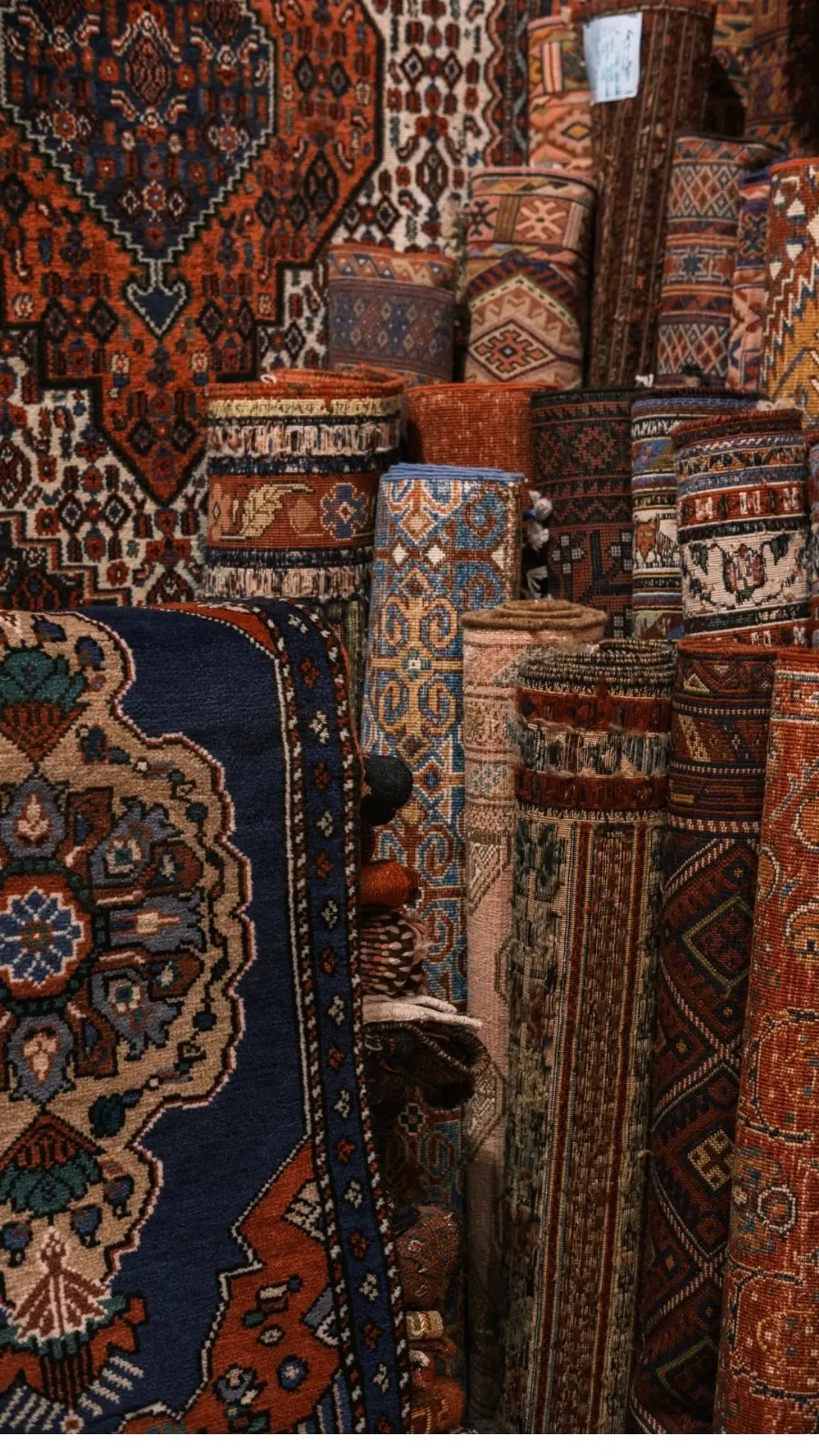
Extra weft kilims, reflections of traditional craftsmanship and cultural heritage, require careful storage, especially in categories such as Turkish kilim and village kilim. Handwoven kilims, such as those offered by brands like Soho Antiq, can preserve their originality and beauty for many years with proper storage techniques. The preservation of these valuable pieces is as important as the kilim motifs and meanings they carry.
Clean and Dry Storage Environment:
 Resim Seç
Handwoven kilims, especially those made from natural materials like village kilims, are sensitive to moisture and mold. Kilims should be stored in a clean and dry environment to prevent the formation of moisture and mold, which can damage the texture and colors of the kilim.
Protection from Sunlight:
Direct exposure to sunlight can cause the colors of kilims, especially valuable ones like Turkish kilims, to fade. Therefore, it is important to store kilims in a place protected from sunlight.
Dust and Dirt Protection:
To protect kilims from dust and dirt, you can use a special cloth cover. Keeping traditional woven kilims, such as village kilims, clean and well-maintained can be ensured in this way.
Regular Inspection and Repair:
Regularly inspecting kilims allows for intervention when there are signs of damage or deformation. Paying attention to inspection and repair is beneficial for the proper preservation of kilims.
Roll Storage Method:
 Resim Seç
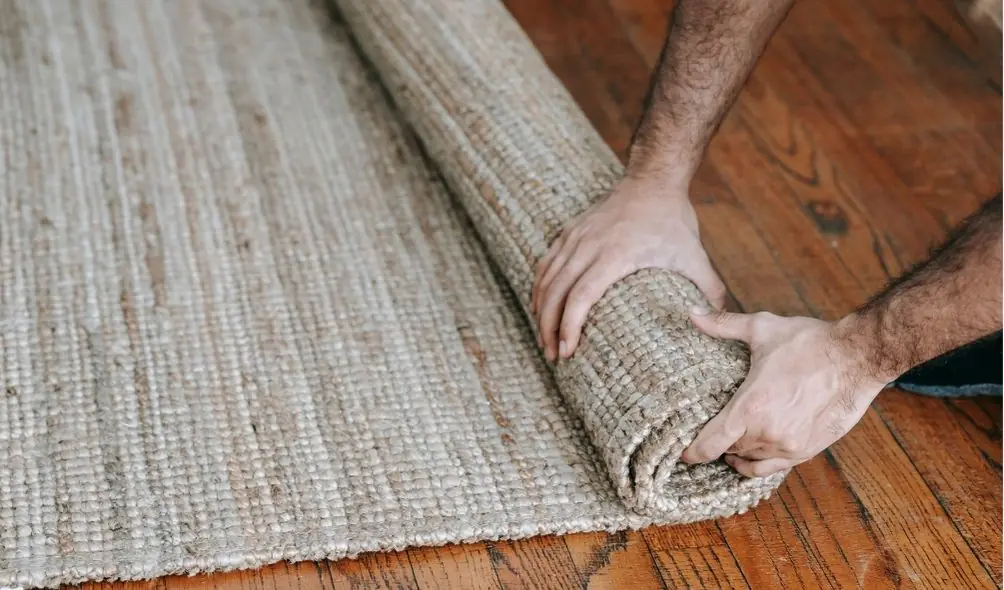
Storing kilims in a rolled-up form prevents wrinkles and deformation. This method is particularly suitable for valuable weavings like Turkish kilims and similar items.
Preparation of the Kilim:
Cleaning and dusting the kilims before storage is beneficial. This not only ensures hygienic storage but also contributes to extending the life of the kilim.
By following these steps, Turkish kilims, village kilims, and other handwoven kilims offered by Soho Antiq can be preserved in the best possible way. These methods will help maintain the value and aesthetic beauty of your kilims for many years.


