

Hand-woven rugs, produced using natural materials such as wool, cotton, mohair, hemp, goat hair, and silk, offer a variety of unique features. Produced on handlooms and individually crafted, each one carries a unique style, method, and story. There are a few key points to consider when purchasing these unique hand-woven rugs .
Node density
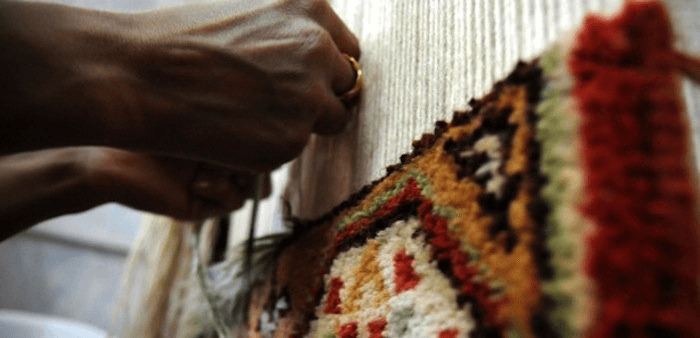
Knot density is one of the most important factors in a hand-woven rug. Knot density in a hand-woven rug is crucial for the longevity of the design and the ability to apply it in greater detail.
Wool Quality
It's crucial to use pure, new wool in hand-woven rugs, choosing wool with long fleece (the hair shorn from sheep and lambs). Blends of wool and fiber, or poor-quality wool, should not be used in rugs.

Paint Quality
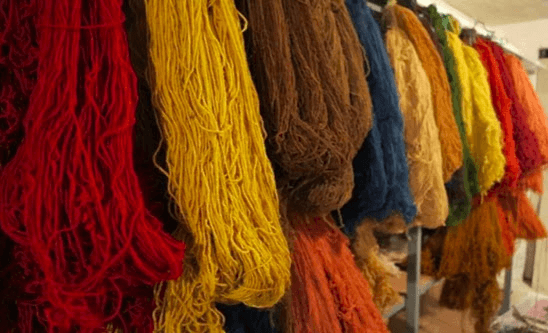
The quality of the dye used in rugs is another important consideration. A chemically dyed rug must be water- and sun-resistant. With natural dyes, the dyeing method is crucial. These dyes produce more vibrant and attractive colors than chemical dyes. For a high-quality hand-woven rug, the method and method of application are crucial for longevity and color quality.
loop structure
A distinguishing feature between hand-woven and machine-made carpets is their loop structure. Hand-woven carpets are woven by knotting pile threads onto each pair of warp threads placed on the loom. A carpet's loop structure can easily tell whether it's hand-woven or machine-made.
Carpet Size
Another important consideration when choosing a rug is its size. If the size of a hand-woven rug doesn't match the surroundings, it won't fit in. Factors such as the square footage of the room, the number and size of the items used in the room, and the overall size of the space are all factors to consider when selecting a hand-woven rug to make it stand out in the room.
Node density
Knot density is one of the most important factors in a hand-woven rug. Knot density in a hand-woven rug is crucial for the longevity of the design and the ability to apply it in greater detail.
Wool Quality
It's crucial to use pure, new wool in hand-woven rugs, choosing wool with long fleece (the hair shorn from sheep and lambs). Blends of wool and fiber, or poor-quality wool, should not be used in rugs.
Paint Quality
The quality of the dye used in rugs is another important consideration. A chemically dyed rug must be water- and sun-resistant. With natural dyes, the dyeing method is crucial. These dyes produce more vibrant and attractive colors than chemical dyes. For a high-quality hand-woven rug, the method and method of application are crucial for longevity and color quality.
loop structure
A distinguishing feature between hand-woven and machine-made carpets is their loop structure. Hand-woven carpets are woven by knotting pile threads onto each pair of warp threads placed on the loom. A carpet's loop structure can easily tell whether it's hand-woven or machine-made.
Carpet Size
Another important consideration when choosing a rug is its size. If the size of a hand-woven rug doesn't match the surroundings, it won't fit in. Factors such as the square footage of the room, the number and size of the items used in the room, and the overall size of the space are all factors to consider when selecting a hand-woven rug to make it stand out in the room.


