

When we think of hand-woven carpets, one of the first carpet styles that comes to mind is the Persian carpet. What distinguishes Persian carpets from other carpets is that they are made using wool and silk yarns and woven using both Persian and Turkish knotting techniques. Furthermore, Persian carpets are known for their high-quality hand-woven texture, colored using plant dyes.
When Persian carpets are mentioned, Iran and Turkey immediately come to mind. These societies, home to the most renowned handicrafts, also produced the first examples of carpets. People in these societies have weaved carpets using their own techniques and meticulous craftsmanship, creating a variety of examples that continue to this day. Iran stands out in carpet weaving thanks to its craftsmanship, carpet weaving techniques, and the use of natural dyes that harmonize with the carpets.
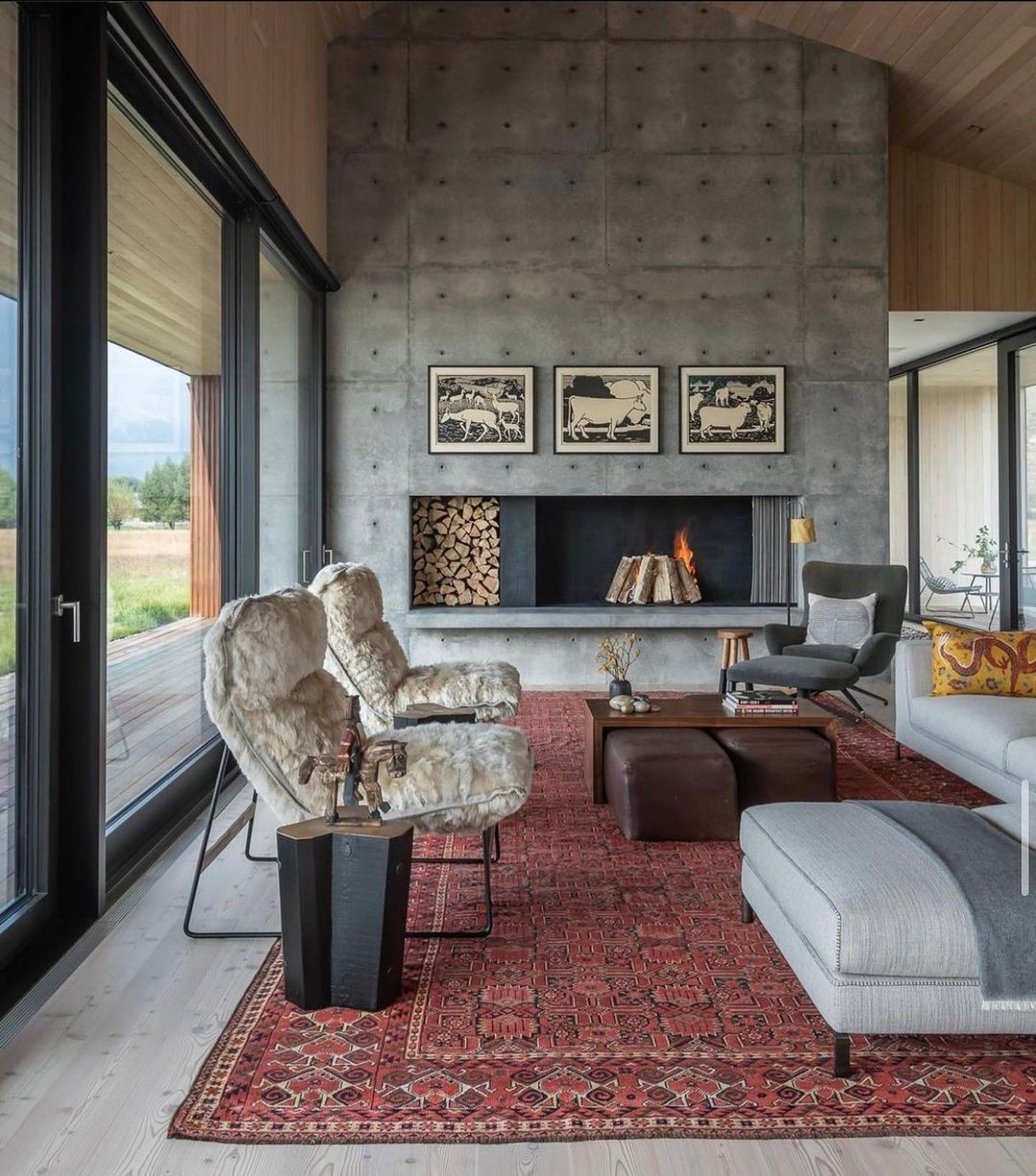
Persian rugs, which hold a significant place in the field of decoration, have impressed many people worldwide for many years with their quality and aesthetic appeal. When it comes to decorating, one of the first rug styles that comes to mind is the Persian rug. While they complement all types of curtains, furniture, and other decorative items, they also stand out for their uniqueness. Another aspect that distinguishes hand-woven Persian rugs is the use of high-quality wool. This increases their durability and allows for a vibrant color palette and aesthetically pleasing design.
World-famous Persian carpets are exhibited in numerous museums and mansions. Persian carpets, which began to hold a significant place in the 16th century, remain highly valued today.
How to Color Persian Rugs?
Persian rugs, dyed with high-quality root dyes, do not contain synthetic materials. The use of root dyes in Persian rugs also ensures their health and organic nature. Today, Persian rugs are colored using various plants. These plants include:
-Indigo
-Turmeric
-Kousin Beetle
-Pomegranate Peel
-Mist
Persian Carpet Weaving Techniques and Features
Persian rugs, which are world-renowned, have a wide range of characteristics. They have a velvet-like luster and are also soft and comfortable. Finely crafted Persian rugs have 10 to 14 knots per centimeter. Because they are hand-woven, Persian rugs can last for many years. Furthermore, in Persian rugs made of silk, root dyes are preferred and synthetic materials are avoided. The Persian-Sine knot technique is very common in Persian rugs. This technique creates fine, elegant, and soft rugs, allowing them to be as soft as velvet. The rug's design and weaving techniques are invaluable features of Persian rugs.
Persian Carpet Patterns
Persian carpets have featured a multitude of patterns over the years. Furthermore, they have witnessed a wide range of history over the years. These meticulously woven carpets embody a multitude of patterns and traditions. Whether in terms of design or quality, Persian carpets have been displayed in venues as a symbol of elegance or power. Persian carpets have also witnessed the coronation ceremonies of kings. A Persian carpet woven for the coronation of the Safavid kings is displayed on the grounds of Roseborgh Castle in Copenhagen. Furthermore, Persian carpets have periodically been exhibited in the homes of prominent families and various kingdoms across Europe. These carpets feature various royal coats of arms alongside classical motifs.
The Abadeh region is known for producing the most durable Persian carpets. Many of the carpets woven in this region are characterized by hexagonal medallions and small bird and flower motifs woven around them. Furthermore, these carpets, which use the finest root dyes, are dominated by red, reddish brown, and blue. Carpets woven in the Kashan region have a central medallion pattern, while carpets woven in the Kerman region are woven from lamb's wool with a high pile. Another important characteristic of Kerman carpets is their very tightness despite being woven from thick wool. However, Kerman carpets feature intricate floral and small motifs called oriental patterns. Herat carpets, on the other hand, are tightly woven from fine threads. Herat Persian carpets are very soft in texture and have bright colors. However, palm and pear patterns are frequently used in Herat carpets. Deep red and blue are predominant in Herat carpets. Garden and floral motifs are frequently used in Persian carpets to complement your décor. Carpets representing the "tree of life" in Persian carpets are called "Balush." These carpets are dark colored and pieces of cloth and rugs are used on the edges to prevent fraying.
One of the most important characteristics of Persian rugs, which provide a great distinction in decoration, is their rich designs. Persian rugs are designed with natural motifs, geometric shapes, and inspiration from everyday life. Soho Antiq offers a wide variety of Persian rug models. Created with high-quality wool and expert craftsmanship, these rugs complement any décor style.