

A village rug is a type of rug hand-woven in the villages of Türkiye. Traditionally woven by village women using threads obtained from natural materials such as wool, cotton, and silk, village rugs hold a significant place in Turkish culture.
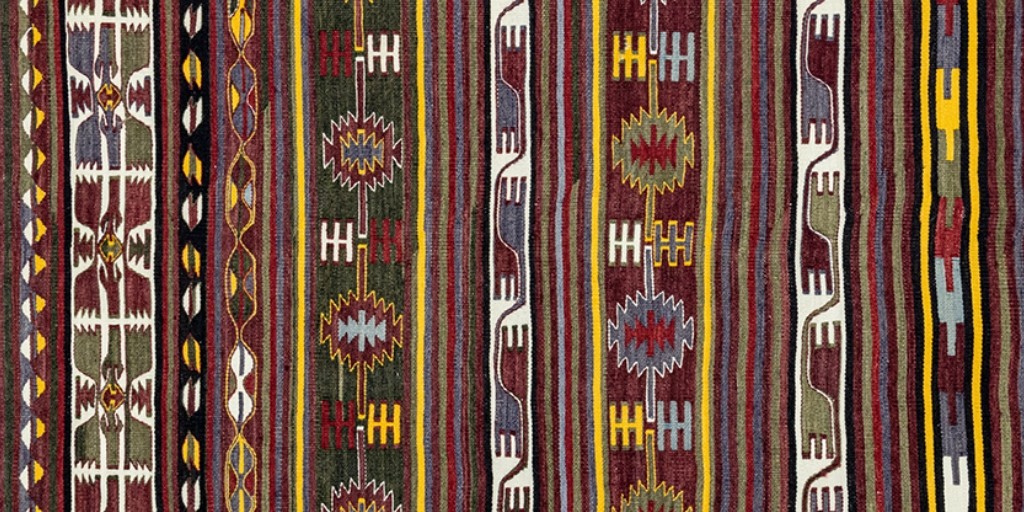
Village rugs stand out with their natural colors and organic texture. The motifs used in rugs can vary depending on geographic region and local culture. However, geometric patterns, plant motifs, and animal figures are frequently used. Village rugs are named after the region where they were woven or the patterns themselves. In addition to major groups such as the Turkmen and Yörük, Anatolian rugs are also named after places like Emirdağ, Karasu, Kırşehir, and Eşme.
What are the characteristics of a village rug?
The Village Kilim differs from a carpet in that it is knotless and napless (the fine hair on the surface of the fabric). It distinguishes itself from other woven rugs in that it is made with a two-thread system and its patterns are not fluffy. Some characteristics of Village Kilims include:
Handmade: Since village rugs are hand-woven, each one is completely original and unique.
Natural fibers: Traditional village rugs are made from natural fibers such as wool, cotton, and silk. These fibers are superior in terms of durability and quality.
Simple patterns: Village rugs are often decorated with simple patterns, created with natural colors and geometric shapes.
Durability: Village rugs are long-lasting and durable in use thanks to the durability of natural fibers.
Elasticity: Because village rugs are handmade, they are somewhat flexible, making them more comfortable to walk on.
Easy Care: Made from natural fibers, village rugs quickly absorb moisture and dust, making them easy to clean. Just vacuum regularly.
Additionally, village rugs are a sustainable alternative type of rug because they are made from natural fibers.


