

Handwoven kilims, besides being decorative elements, also hold an important place as historical works of art. There may be concerns about how to distinguish these special rugs from other production methods. In this context, there are specific points that enable the distinction of handwoven rug options.
 Select Image
Differences Between Handwoven Kilims and Machine-made Carpets
Many people may not understand the difference between handwoven rugs and machine-made carpets. The first and easiest way is to check the back of the kilim. In handwoven rugs, there is a knot at every weave, and these knots usually show an asymmetric pattern. However, in machine-made rugs, there are no knots, and the backs are smooth, showing a symmetrical pattern.
Softness and Flexibility of Handwoven Kilims
Another way to understand the quality of the kilim is the knot count. In handwoven rugs, there are more knots compared to machine-made rugs. This higher knot count makes handwoven rugs softer and more flexible. Options like village rugs usually fall into the category of handwoven rugs and stand out with a high knot count.
Motif Detail in Handwoven Kilims
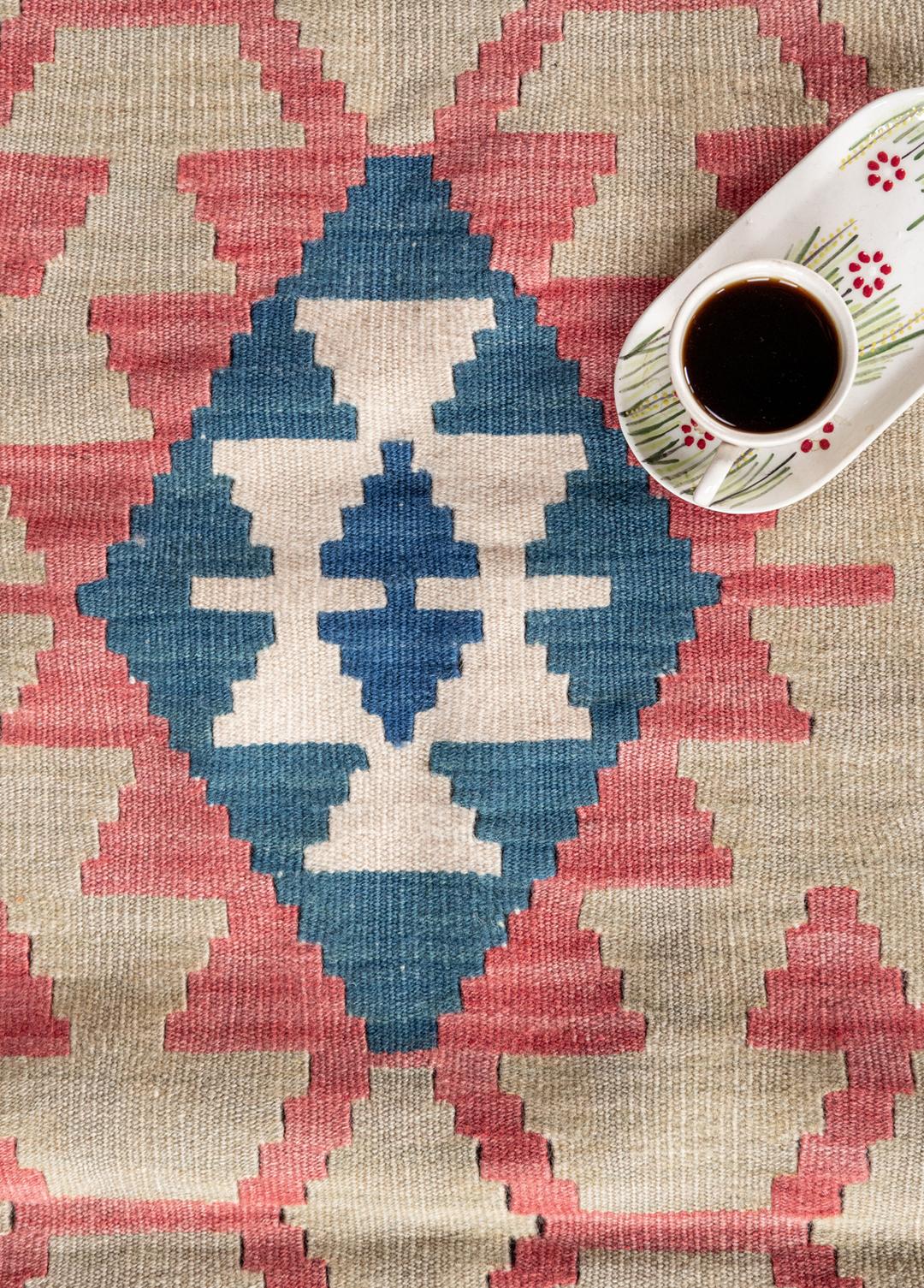
Kilim motifs are one of the most important features of handwoven rugs. Handwoven rugs often have intricate and detailed patterns. Unlike machine-made carpets, the kilim motifs used in handwoven rugs vary and display richness and diversity.
 Select Image
Material and Production Places of Handwoven Kilims
Another important feature of handwoven rugs is the material. Natural materials such as wool, mohair, cotton, or silk are commonly used. Options like village rugs are produced using natural materials, making them more durable. The production place of the kilim is also limited to specific regions. These limitations are also an indication of the authenticity of the rugs.
It is advisable to consider these criteria when purchasing handwoven rugs. In particular, kilim motifs and material quality will enhance the value and durability of the kilim. A high knot count and asymmetric pattern are important clues that the kilim is handwoven.
Considering all this information when trying to understand these special rugs will help you find the right product. Village kilims and other handwoven kilims can add both aesthetic and historical touches to your home.


