

Handwoven rugs are representatives of an art and craft that has endured for centuries. Each rug, woven with meticulous care and dedication, is a valuable part of our cultural heritage. In this blog post, we will discuss the history, creation process, and contemporary significance of handwoven rugs.
History and Origin
The origins of handwoven rugs date back thousands of years. Early examples of kilims can be found in Central Asia and Anatolia. Nomadic communities adopted these kilims not only for their Daily use but also as a form of artistic expression. Each motif, color, and pattern conveys a specific meaning, telling cultural stories.
Creation Process
 Select Image
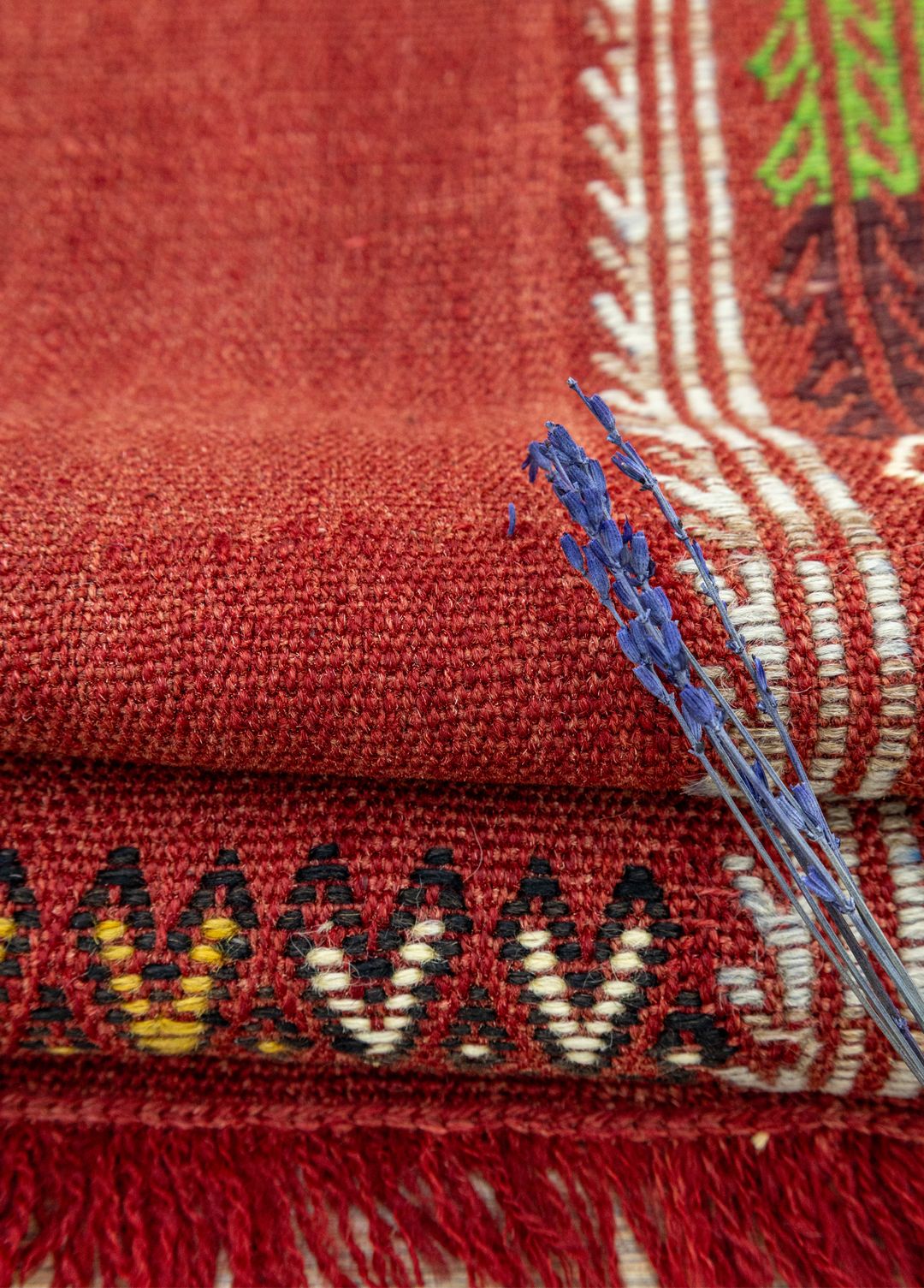
The creation of handwoven rugs is a labor-intensive and meticulous process. Here are the basic steps of kilim making:
Material Selection: Kilims are typically made from natural materials such as wool , cotton, or goat hair. Wool is the most commonly used material due to its durability and natural insulation properties.
Yarn Preparation: The yarn to be used is thoroughly cleaned and spun before the dyeing process. Natural dyes are used to color the yarns using traditional methods.
Pattern Planning: The designs and motifs of a kilim are usually traditional patterns passed down through generations. Each region has its unique motifs and designs.
Weaving Process: The weaving process is carried out using special tools called looms. This process requires great patience and attention. Each knot is tied by hand, and each row is carefully woven.
Importance of Handwoven Kilims
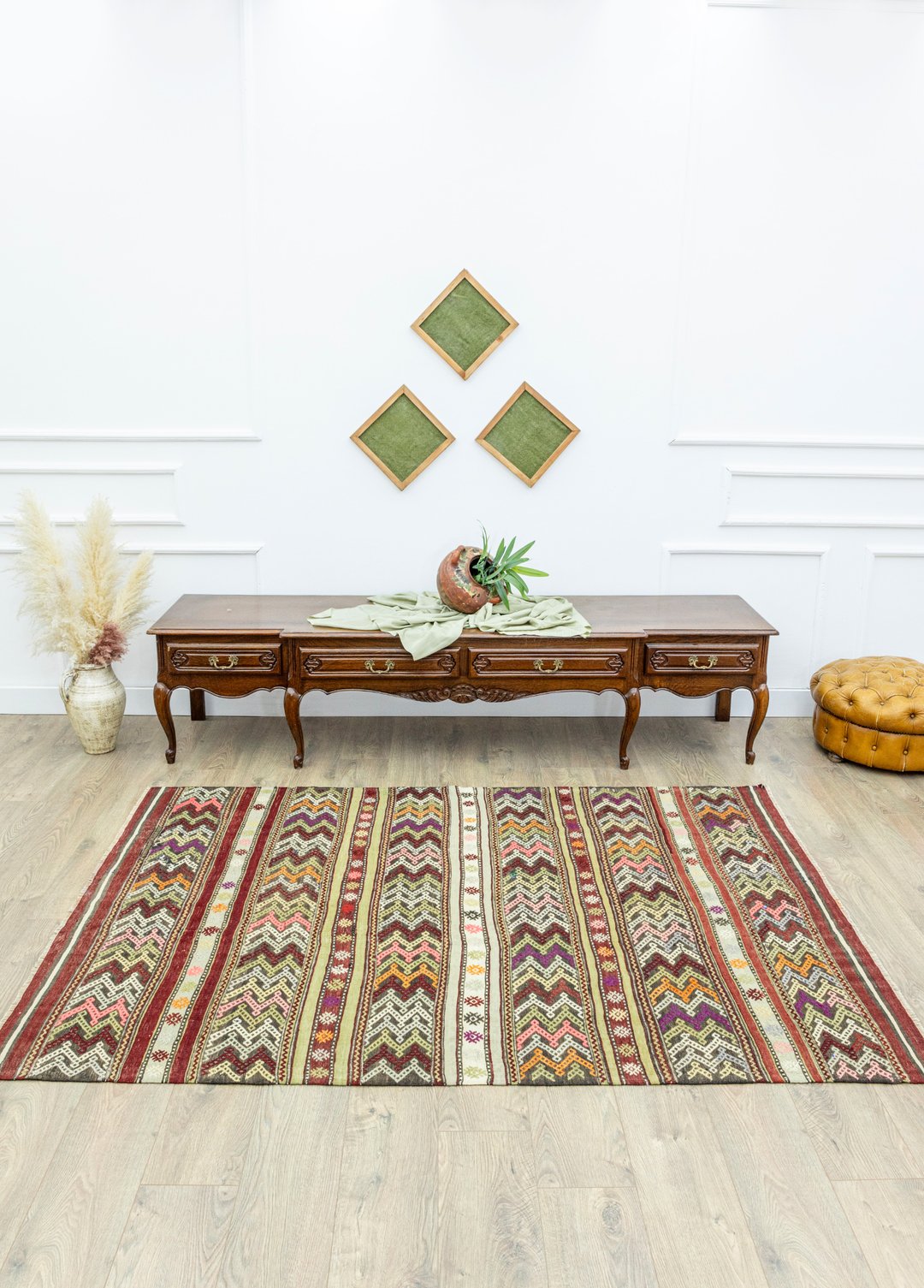
Handwoven rugs are not just decorative items but also a part of our cultural heritage. They play a significant role in preserving traditional handicrafts and passing them on to future generations. Additionally, handwoven rugs are highly valued in modern decoration due to their unique and original nature.
 Select Image
Kilim Care and Maintenance
Proper care is essential to ensure the longevity of handwoven rugs. Here are some tips:
Regular Cleaning: Regularly vacuum your rugs to remove dust. However, it is important to keep the vacuum's suction power at a low setting.
Protection from Direct Sunlight: Kilims can lose their colors if exposed to direct sunlight. Therefore, protect your rug from direct sunlight.
Avoid Moisture and Dampness: Kilim can become moldy in damp environments. Avoid using them in humid places.
Conclusion
Handwoven rugs are unique and valuable Works of art where history and art intertwine. Having handwoven rugs in your home not only adds aesthetic richness but also allows you to keep cultural heritage alive. It is our duty to explore and value these unique Works of art where traditional motifs meet modern designs.


