

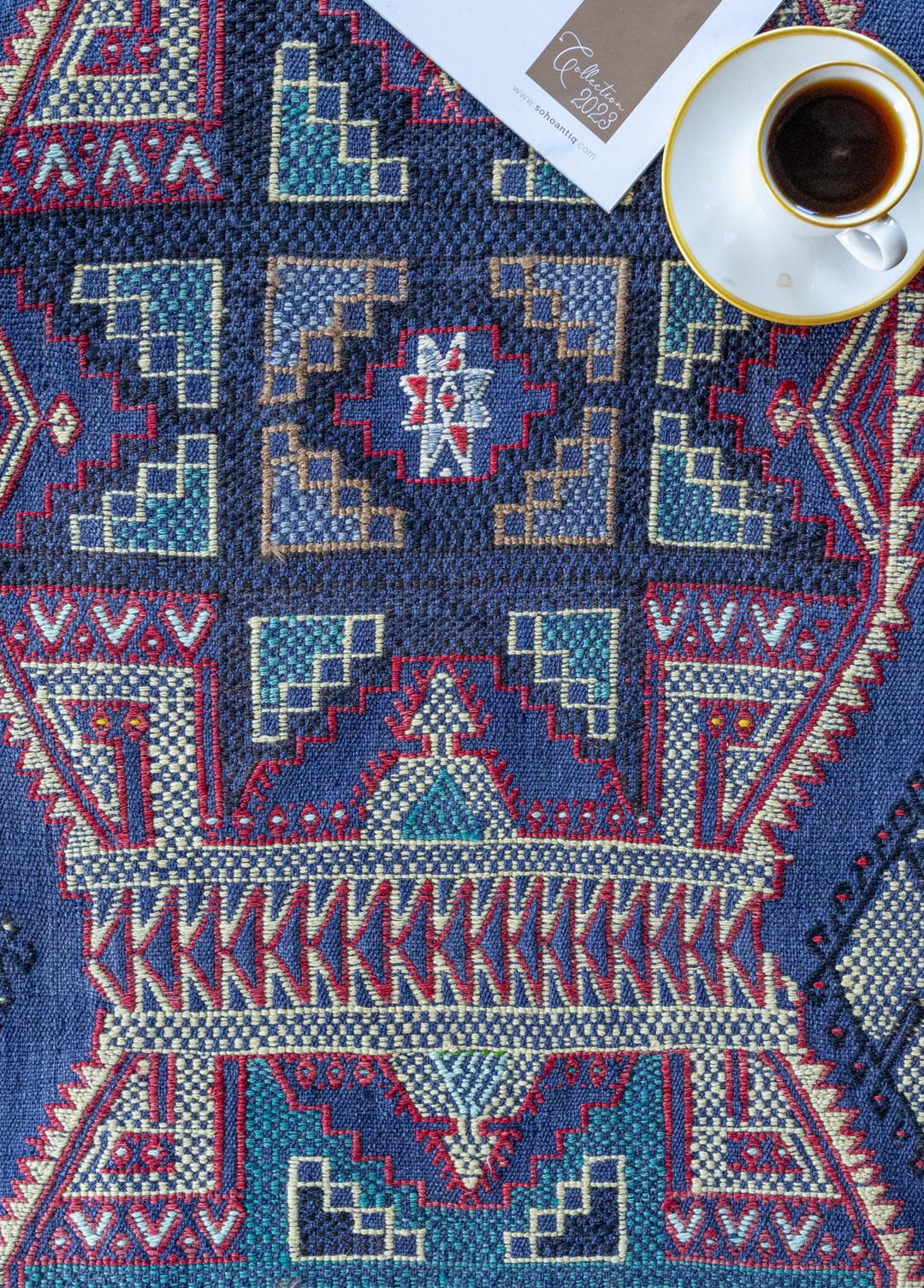
Hand-woven rugs are known for their historical and cultural value. However, the motifs found on rugs are often considered purely aesthetic. Yet, each of these motifs carries a deep meaning, reflecting the society in which they were created, their beliefs, and often even the emotions of the weaver. So, what do these rug motifs mean?
 Select Image
Hand-woven rugs and their motifs not only cover the floor but also offer an opportunity to add meaning to your living space. As cultural treasures, rugs add depth to our lives through the meanings their motifs convey. Therefore, when choosing a rug, choosing based not only on color and pattern but also on its underlying meaning can significantly increase the value of your purchase.
Kilim Motifs: What to Consider When Choosing?
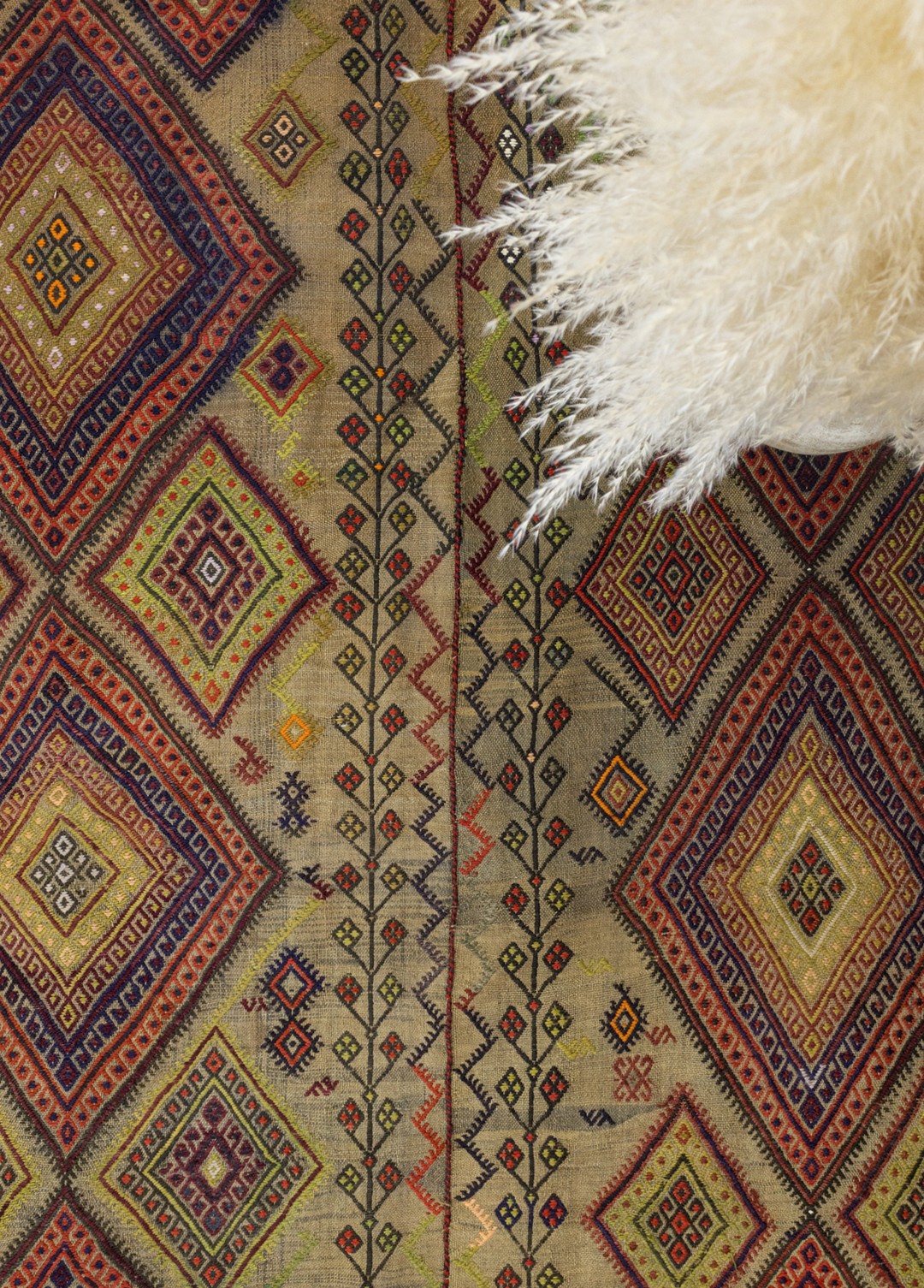
When choosing a hand-woven rug , there are several factors to consider. First, it's important to understand the meaning of the motifs to understand the region and culture the rug originates from. If you're choosing a village rug, these rugs generally feature simpler and more meaningful motifs. Price and quality are also important factors. However, the meaning of the motifs to you may be a more important factor in determining why you want to display the rug in your home or office.
These meanings and details allow you to establish not only an aesthetic but also an emotional and cultural connection when choosing a hand-woven rug. While rugs are decorative items, they are also works of cultural heritage and art. You can evaluate these options, which are available in a variety such as village rugs, based on their meanings. This way, you can own works that are both decorative and sentimental.
 Select Image


