

Turkish carpets are renowned worldwide for their rich history and cultural heritage. Turkish carpet motifs and their meanings, in particular, demonstrate that these works are more than just visual works of art; they also represent profound spiritual and cultural values. So, what are the meanings of the motifs in Turkish carpets?
The Homeland of Ethnic Rugs: Turkish Rugs
 Select Image
Turkish rugs, also called ethnic rugs , bear the traces of nomadic culture, and each motif offers insights into different aspects of life. Turkish rugs are typically woven using natural materials and colored using traditional dyeing techniques. These rugs also boast a rich variety of Turkish rug motifs and meanings.
Meanings from the Language of Motifs: Symbolism in Turkish Carpets
Turkish carpets are adorned with motifs, each with its own unique narrative. These motifs not only offer aesthetic beauty but also represent a cultural and historical heritage.
Motifs Intertwined with Nature
Nature motifs, frequently found on Turkish carpets , reflect the beauty and abundance of nature through symbols such as trees, flowers, and leaves. Water waves symbolize nature's constant change and renewal, while the sun and stars symbolize the continuity of life and universal connection. These motifs, in Turkish carpet motifs and meanings, express our deep connection to nature and our respect for it.
Animal Figures: Symbols of Power and Prosperity
Animal motifs frequently used in Turkish carpets include horses, goats, sheep, and eagles. Each animal represents the animal's strength and endurance, while also being a symbol of wealth and abundance. For example, horse motifs symbolize the strength and freedom of the Turks' nomadic culture.
Geometric Shapes: Order and Infinity
 Select Image
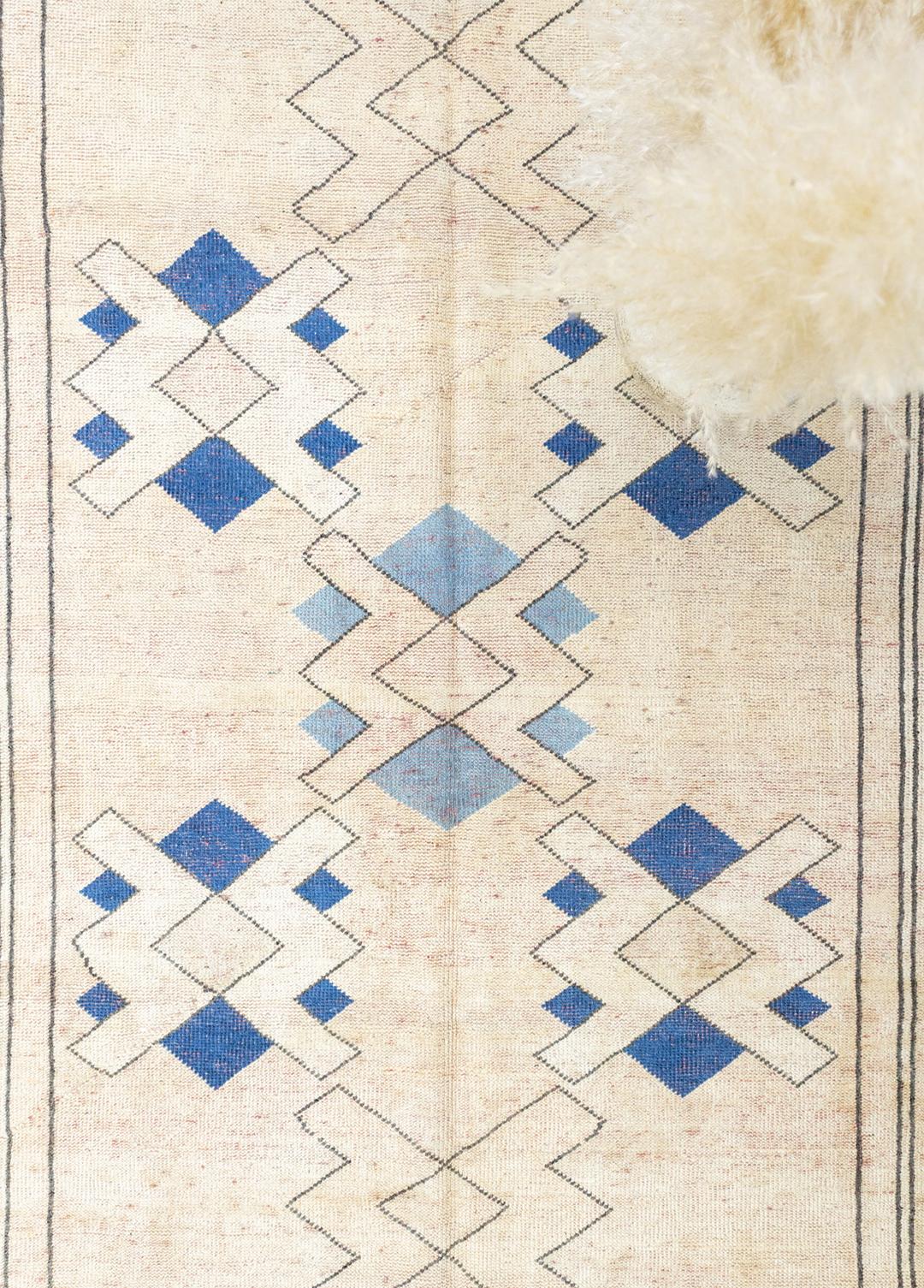
Geometric motifs on Turkish rugs represent order, balance, and harmony. Shapes such as triangles, squares, and circles symbolize the order of the universe and the cyclical nature of life. These motifs are frequently used in ethnic rug designs, often creating visual harmony and aesthetic balance. Geometric motifs hold a significant place among Turkish rug motifs, both eye-catching and deeply spiritual.
Mythological and Religious Symbols: Faith and Sacredness
Mythological and religious symbols hold a significant place in Turkish rug culture. Figures such as dragons, snakes, and birds are drawn from mythological stories and beliefs. These motifs also represent themes of power and protection. Religious motifs such as the crescent and the sun symbolize both Turkish beliefs and celestial connections. These motifs are frequently encountered in ethnic rug collections and add meaning to homes with their spiritual depth.
Conclusion
Each of these motifs demonstrates that Turkish rugs are not just artisanal products but also cultural storytellers. The Turkish rugs at Soho Antiq bring this rich cultural heritage to your modern living spaces while also adding unique character and depth to your home. These unique motifs and meanings make each Turkish rug more than just a household item; it's a work of art and a piece of cultural heritage.


