

Rugs, whose history is as old as human history, were first woven by the Turks in Central Asia. Rugs, which hold a significant place in home decor, emerged as a result of people's search for a comfortable and warm surface. Rugs are given different names depending on the techniques and materials used in their production. Unlike rugs, which are made by threading and knotting threads to the desired pile height on looms, kilims, a finer type of rug, have no pile or knots.
How is a carpet woven?
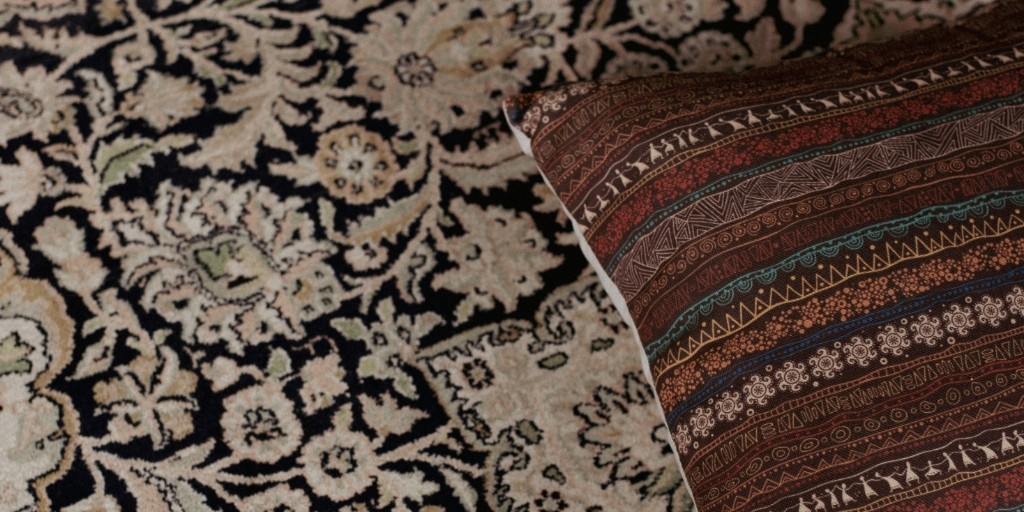
Hand-made carpets require a loom and woolen threads. Tense woolen threads are tied to the loom from top to bottom, called warps. The warps form the carpet's framework. A warp is used to create parallel knots between these taut threads, creating gaps between them. The threads passed between the taut warp threads are called wefts. Once the weft thread is passed through and the knot row is completed, the knot is tightened with a comb called a kirkit. These steps complete the carpet weaving process.

How is a rug woven?
Like handmade carpets , rugs are woven on looms using wool or hair yarn. A rug is a two-thread system, a pileless weave with no back or front. It is a pileless weave with no back or front. It distinguishes itself from other plain-woven rugs in that it is made with two thread systems and its patterns are not raised.


