

The oldest examples date back to the 5th and 6th centuries BC, and carpets have remained a fundamental necessity from past to present. Their design and quality allow for diverse decorating ideas in homes and workplaces. Indeed, a carpet should meet needs not only through its material but also through its visual appeal. Uncertainty about the quality of a purchased carpet is always a source of concern for consumers. This concern can only be alleviated by identifying the essential features of a quality carpet . These features not only consider the carpet's value but also its lifespan.
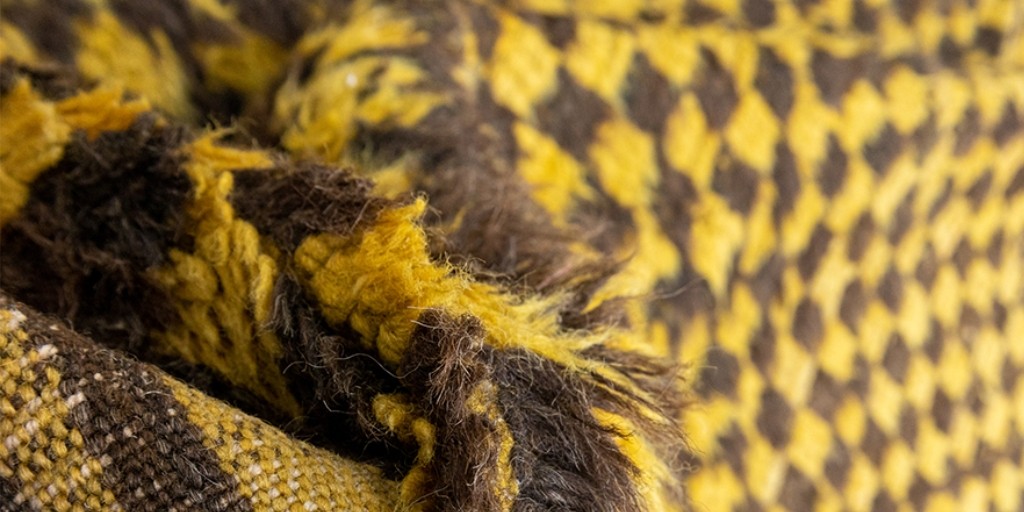
The texture of the chosen carpet reflects the number of threads used. Fibers are combined to form yarns, and yarns are combined to form plies. Therefore, the type of yarn used, the density, and the structure of the yarn determine the carpet's texture. For example, as the number of knots per square meter in a hand-woven carpet increases, the quality of the weave also increases. Similarly, in machine-woven carpets, a higher knot density results in a more solid appearance.
Weight
As the amount of material used in carpet production increases, the carpet's weight also increases. Therefore, if two carpets have the same dimensions, the heavier one uses more yarn and a tighter loop. Beyond the number of yarns, the quality of the yarn also determines the weight. Except for embossed models, the heavier carpet will be higher quality and last longer.
Yarn Type
The type of yarn used in carpet production is directly related to the quality of the carpet. The yarn types generally used are wool, cotton, hemp, goat hair, mohair, and other varieties. Factors such as colorfastness, stain resistance, and cleanliness vary depending on the material used. Precious yarns such as wool and silk are generally preferred for high-quality carpets. With advancements in technology, synthetic yarns are also achieving superior performance.
Stitch Density
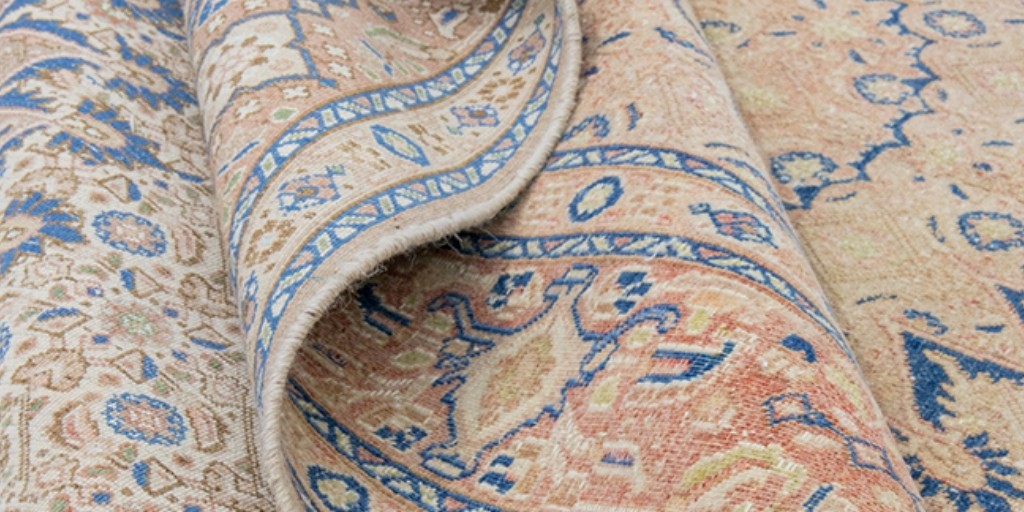
Another quality factor in a carpet is its stitch density, which is often apparent when looking at its back. The tighter the stitches, the more durable the carpet. Quality standards recommend a 60x60 stitch density for a 10x10 cm area. Increasing the stitch count not only increases the carpet's durability and performance, but also increases its resistance to color fading.
Pile Height
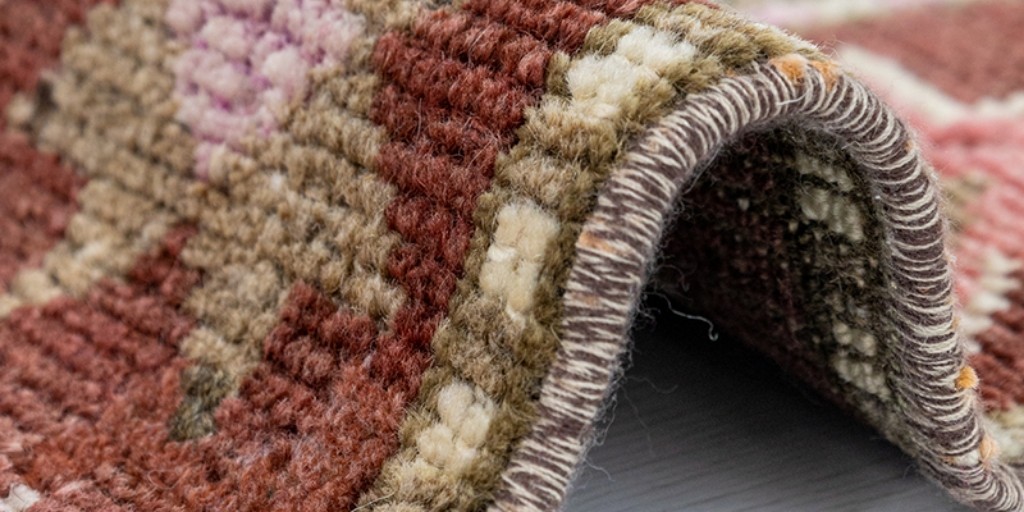
Pile height refers to the height of threads per square meter. Pile height is recommended between 6 mm and 12 mm, which is important for a carpet's softness and ease of cleaning. Pile height directly affects the carpet's thickness and weight. It is also an important feature due to its resistance to deformation under heavy loads and its resistance to impacts.


