

What is the Tulle Hand Weaving Technique?
Tülü weaving technique, used primarily by locals living in the high-altitude plateaus of Anatolia, is a weaving technique facing extinction. Woven on handlooms, the fabric is generally made using natural colors of wool and mohair, while colored fabrics are dyed with natural mixtures made from various plants, roots, and soil.
 Select Image
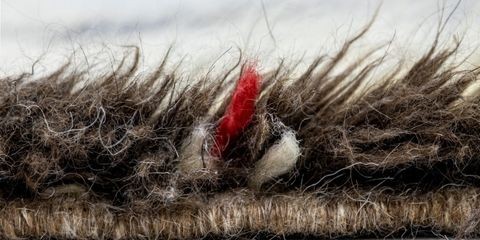
It is thought that animal furs were the inspiration for hand-woven pile production. A carpet with a long pile, a soft, coarse texture, and wool warp and weft yarns, and mostly mohair , is called a tulle .
This type of weaving, similar to carpets in that it is hand-woven, utilizes a warp, weft, and pile system. A hand-woven carpet has very wide spaces between the rows of loops, while a plain-woven carpet has wide sections.
Due to the flat weave, long piles can extend, allowing the floor to achieve the desired appearance. In tulü weaving, knots are skipped between rows. Tulü is produced faster than carpet. Because the fibers are not cut short, no wool is lost in the weaving process.
Tülü hand-woven carpets are mostly made up of natural color combinations that we use in every aspect of our lives. When we look at the colors transferred to the carpet in Tülü hand-woven carpets, we see that the shades of cream, white, black and brown are obtained from the natural state of wool and mohair, while the other colors are dyed.
When we look at the motifs and patterns in the weaving, we see that the weavers reflect their joys and sorrows of that moment, in short, their feelings and souls on the hand-woven rugs and carpets.
With its creative and contemporary hand-weaving techniques, colors, and patterns, it's an extremely interesting and distinctive carpet. Tülü carpets, woven in many regions of Anatolia, demonstrate the richness of Turkish carpet art with their diverse types, patterns, and uses.
Areas of Use of Tulle
Since the people living in the distinguished villages of Anatolia from past to present have lived a nomadic life, they have woven tulu rugs for use in their daily lives.
For the Yörüks, who ascend to the high plateaus in the summer and return to their villages in the winter, the intermittent weaving and lightness of the material make it easy to transport. Because of its fluffy texture, this weaving technique is sometimes used as bedding in sleeping areas, as a quilt for covering ourselves, as a tablecloth, and as a floor covering.
Today, rugs or carpets woven using the Tülü technique have a wide range of uses. Available in a variety of patterns and colors, these rugs easily add character to your home with their colorful and unique patterns that complement the Bohemian style.
In a tranquil rustic or Scandinavian space, its eye-catching colors and distinctive weave make it a real eye-catcher. Rugs made with this weaving technique can be used in every aspect of your life, expressing your unique style. This weaving technique, which is on the verge of extinction, is a significant cultural heritage due to these qualities.


